
This is a guest post by Emma Murf, shared here with permission. The views are Emma's own and do not necessarily reflect the views of Edge City.
---
The question was posed in a sauna of all places, high in the hills over the town of San Martín de los Andes. “What’s one thing you used to believe that you don’t believe anymore?”
Answers spanned quite a range, from degrowth to Islam to “I’m sure someone said this already but: the tooth fairy.”
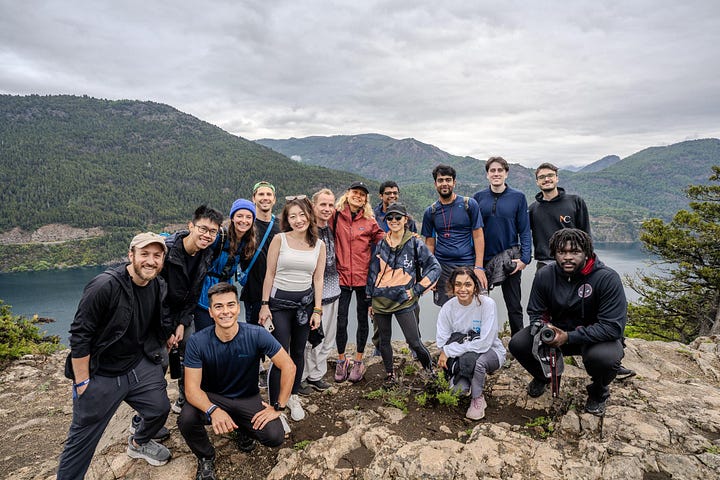
I had expected some variety. I was at a popup village in Patagonia, where six hundred people at the frontiers of science & technology were spending a month living and working together.
Still, it was refreshing. Every one of us admitted to having changed our minds about something. I had a sense we were all walking to the edge of ourselves and looking off, kicking rocks.
Hello from the edge, I thought. Hello from Edge City.
You do not have to be good
Over the course of several weeks, I met scientists and academics and founders and programmers. And, too, I met poets.
This didn’t surprise me. I’ve long believed in language as infrastructure, capable of not just describing the future, but of creating it.
But I was surprised to walk into an event and hear someone reading one particular poem—Mary Oliver’s “Wild Geese.” It begins:
You do not have to be good.
You do not have to walk on your knees
for a hundred miles through the desert repenting.
You only have to let the soft animal of your body
love what it loves.
For years, that poem annoyed me. I was a good kid—too good for my own good. So I found it too permissive. Then once, in a state of overwhelm, I landed on a recording of Oliver reading it. After the first line, I was tearing up.
With time, I realized what my body seemed to already know: that while being a good person is admirable, you don’t arrive at “good” by trying to be good. That’s chasing your own shadow.
No, you arrive at “good” by trying to be honest—with others, but first, with yourself.
It’s clear why this isn’t easy. When you come to the edge of yourself and look out, you find a lot more questions than answers—questions like am I seeking knowledge or turning away from it? What am I afraid to learn about the world? Or about this “soft, animal body” of mine?
An honest confession
I’ve always been skeptical of group gatherings. Mostly, I have a low threshold for anything that threatens my agency. So I react disproportionately to things like:
- group hugs
- burning things
- wristbands and/or stickers
- anyone with a mic saying “I can’t hear you” and expecting me to cheer louder
- groups called a “family” or a “we”
But I made an exception for Edge City. Because while it had one of the above (namely, wristbands), when it came to the question of agency, it fell decidedly on the right side of the line.
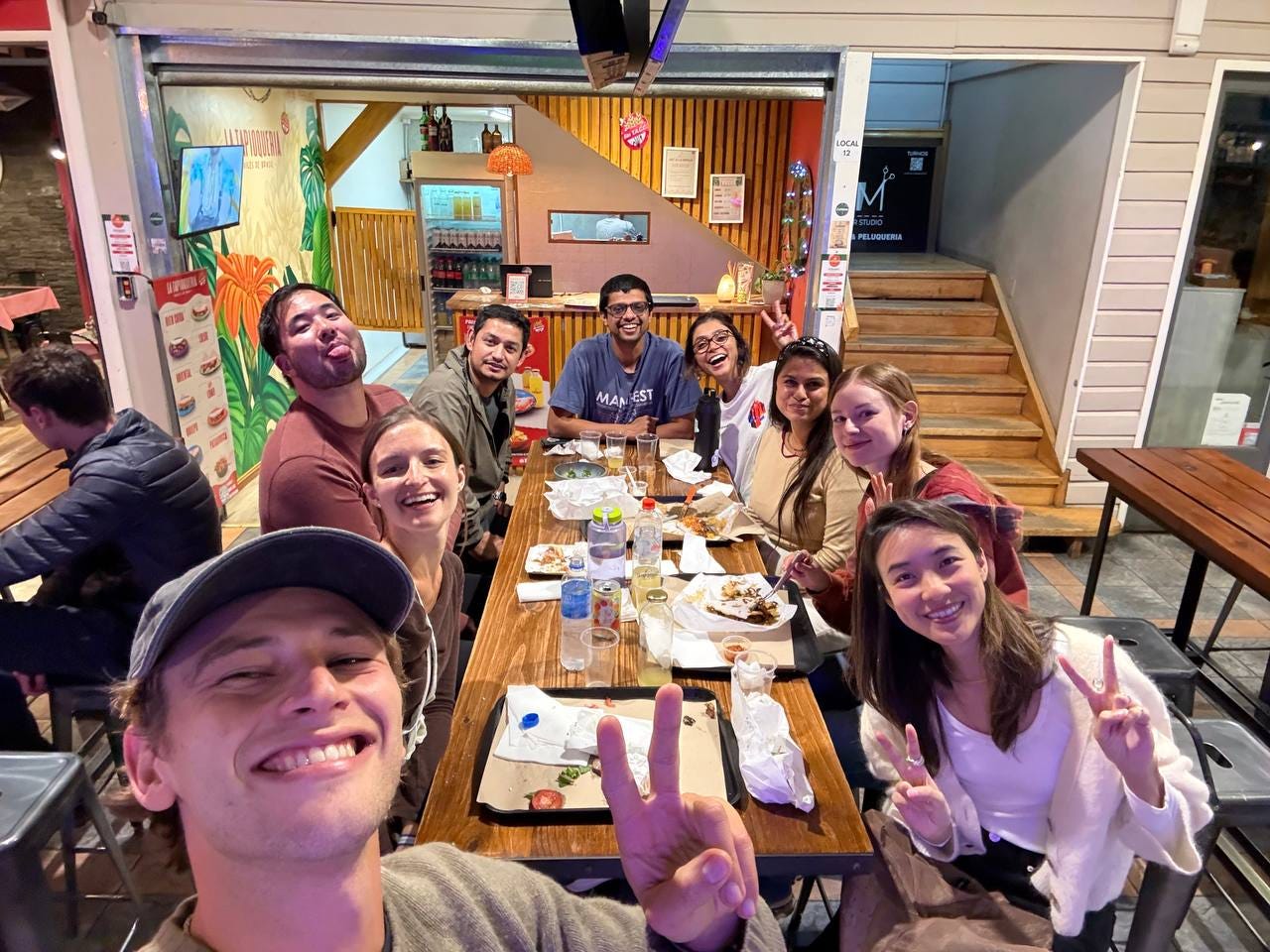
Edge City’s site says its driving belief is that “breakthroughs happen when curious, kind, and high-agency people share space and momentum.”
We were invited to test that belief by creating our own events and adding them to a shared calendar. It made for an eclectic mix; I started one day at a talk on quantum computing and ended it in a “hot seat” sauna session with a theologian.
This approach meant there was never one central, dominating ideology. “Agency” might have been the north star, but in practice, it formed something of a constellation.
And yet, despite its decentralized approach, there was one centrality: the physical place itself.
For some time, I’d been burnt out on the idea of another “community”—some amorphous organism with no center. I’d wanted coordinates on a map; a place to meet for exploration. And San Martín was just that.
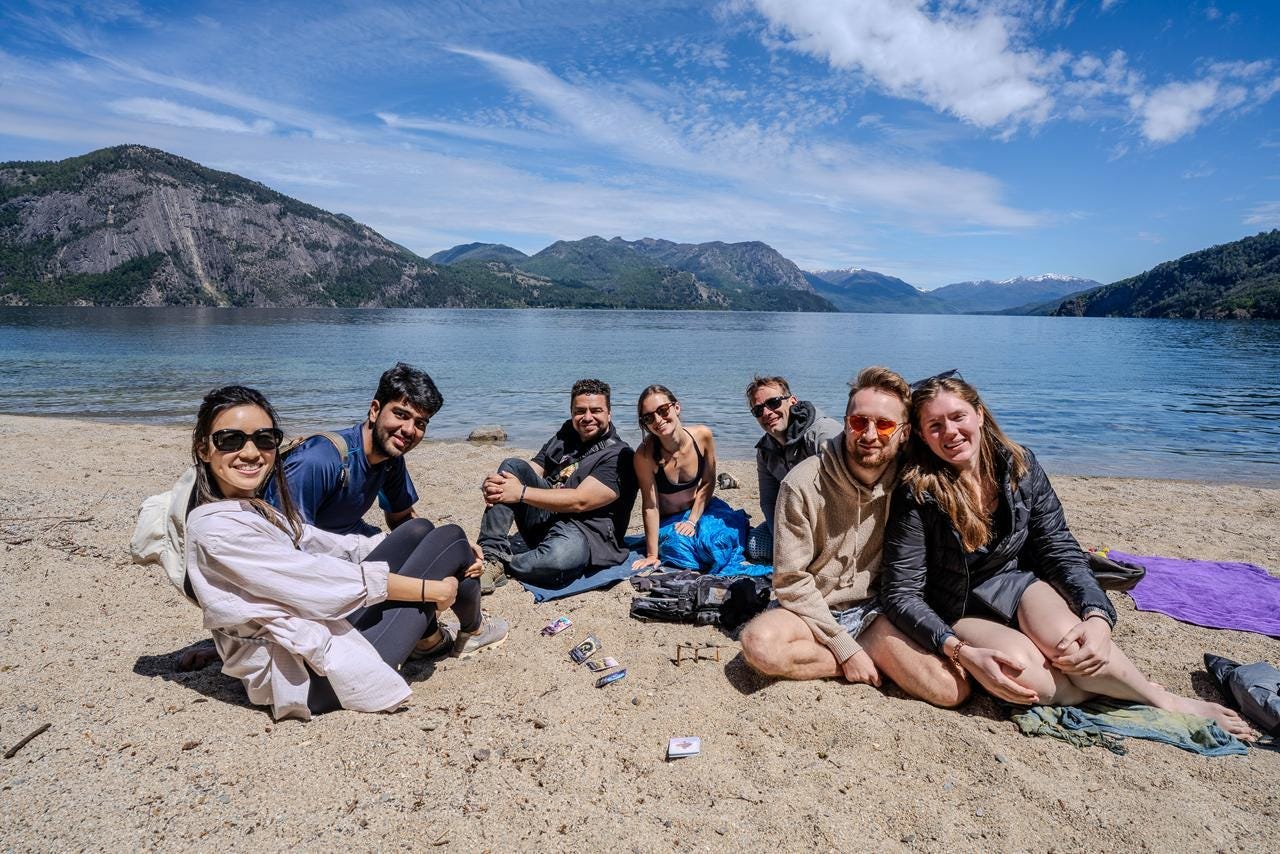
The “city” in “Edge City”
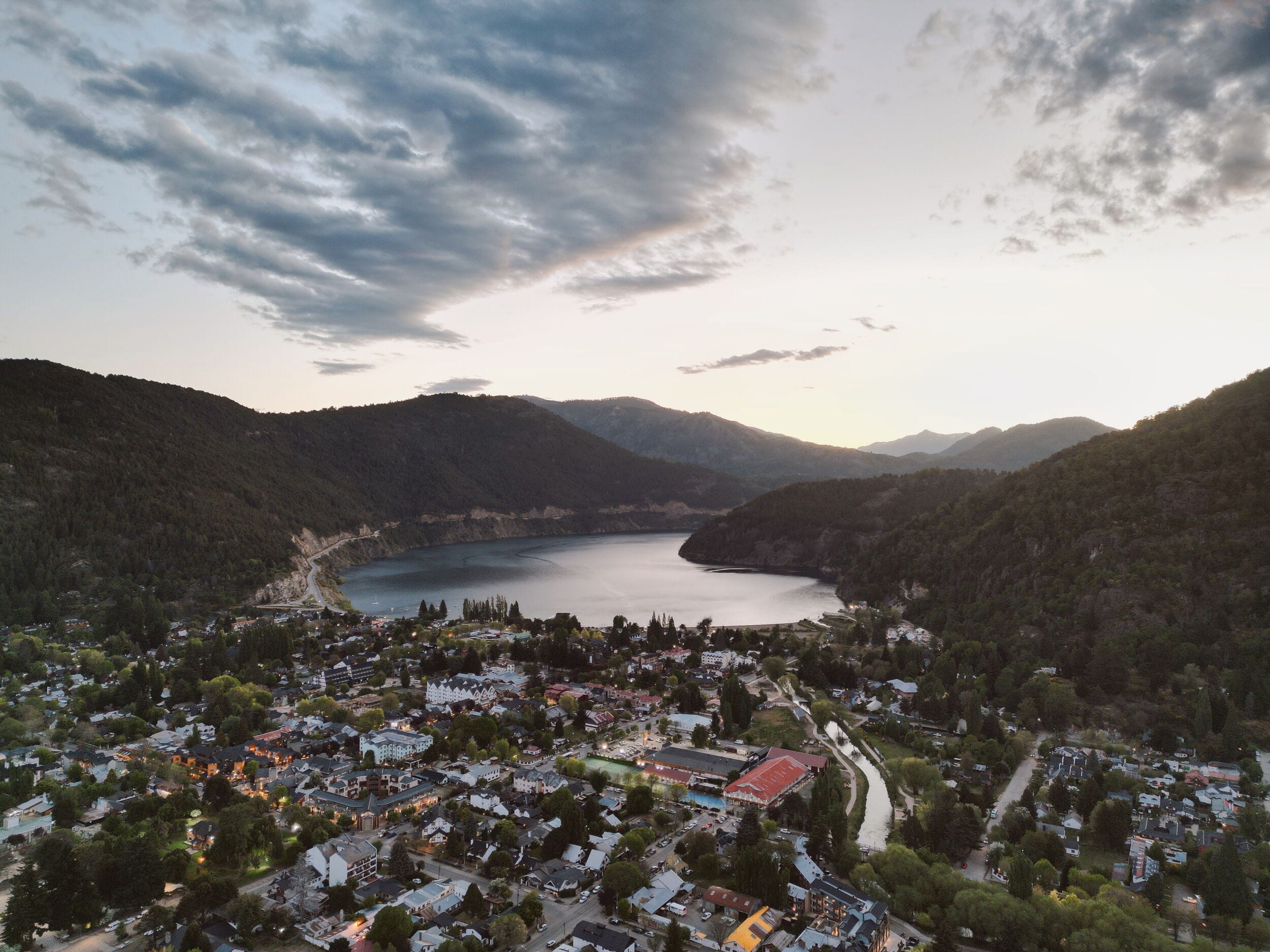
San Martín de los Andes lacked rigidity in all the right ways. It was Swiss Alps, but scruffier. Timber-clad storefronts advertised chocolate and empanadas, with store hours that were… mostly suggestive. And with no stoplights, the traffic pattern was largely determined by the whims of several stray dogs.
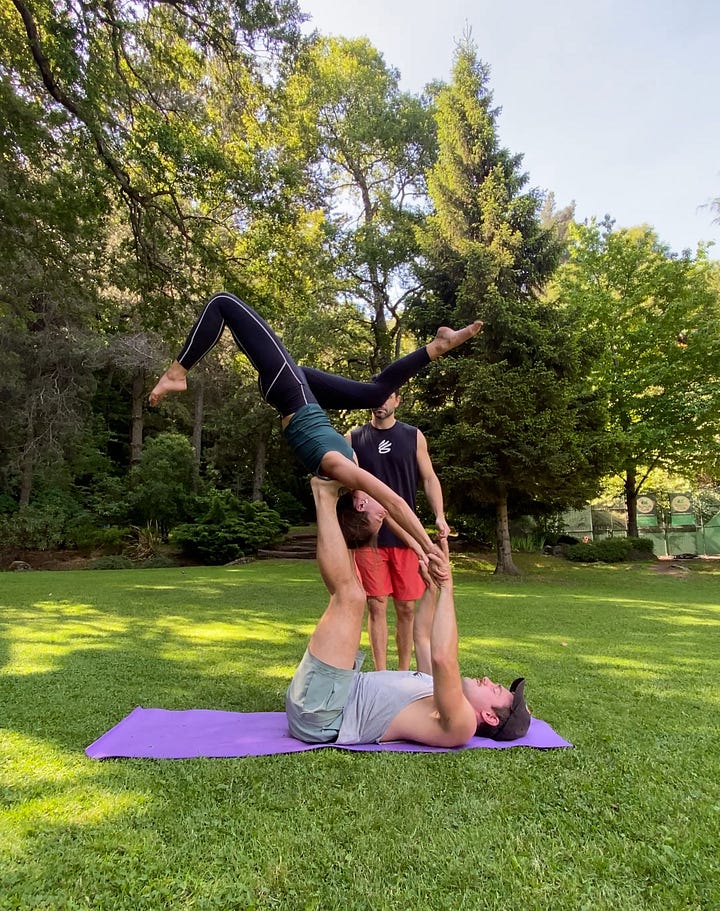
The landscape, too, invited exploration. A river ran through the town, with large grassy banks for acroyoga jams and unreasonably late-night asados. Surrounding it were mountains with loosely-marked trails that peeled off in all directions—as did the conversations we had on them.
And in the center of it all was Forastera, a coffee shop that became the unofficial town square, with several conversations to bounce between at any given time.
This created an environment where most sentences ended in questions. And as such, there was less pressure to declare yourself to be xyz. You could consider all, without accepting all. You could ask yourself anything.

Putting it to the test
On one of my last days at Edge City, I took part in an experiment with Rucha, a mechanobiology scientist. She measured our brain activity while we wrote poetry, to understand what stimuli generated the most creativity.
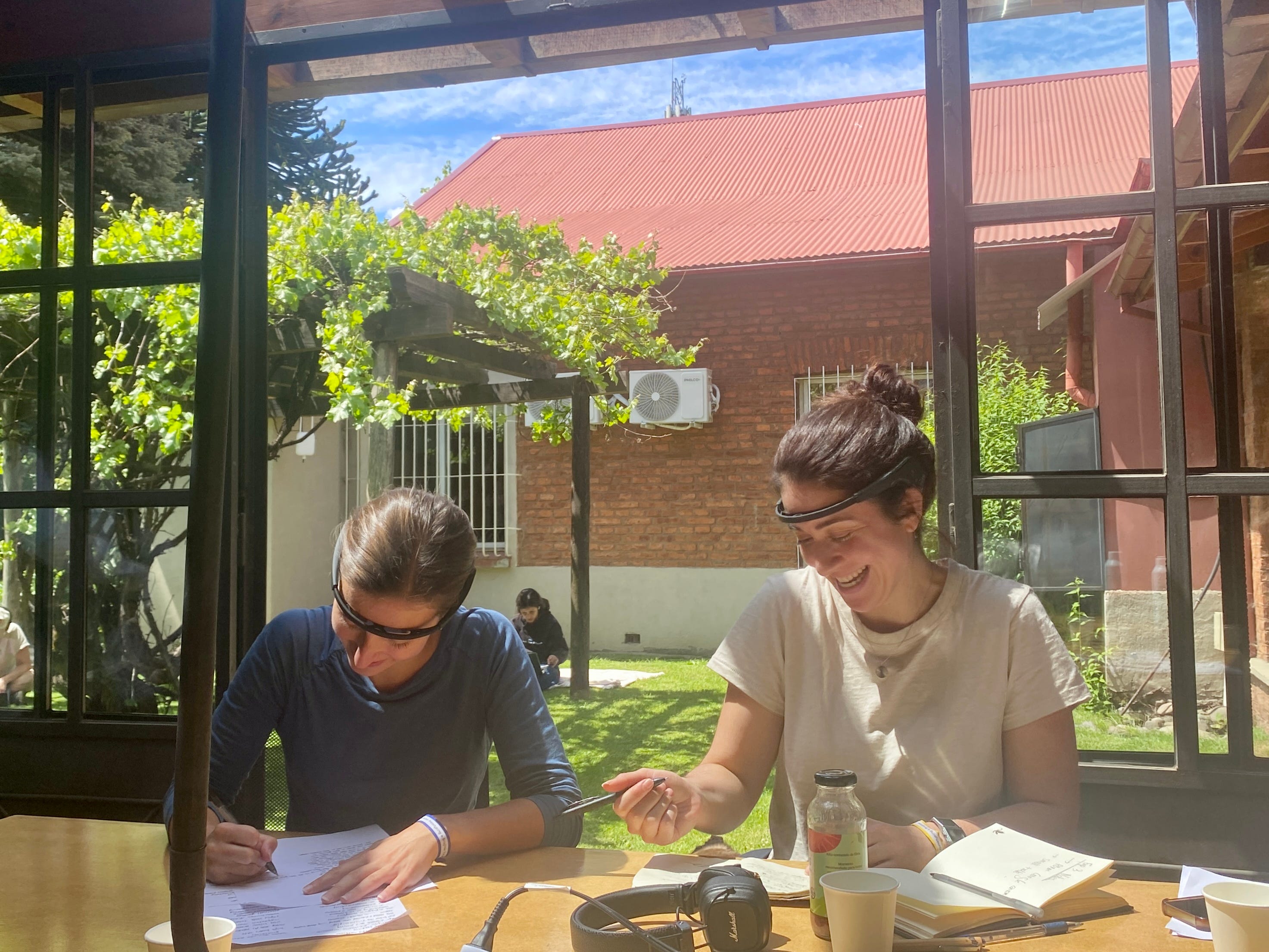
We were asked to write about a moment we felt a particularly strong emotion. This was not a difficult question for me.
About two months before, I had gone to Bhutan with Edge, my first introduction to the organization. We spent a week visiting monasteries and temples, meeting with locals, and learning about the new Gelephu Mindfulness City—a unique example of prototyping a better future (see my friend Santi’s writeup).
I had developed such a strong connection to the place and its people, but also to the people I was traveling with—each a curious, kind and high-agency mind.
On our last night, we shared a traditional Bhutanese dance. Looking around at all those faces, I felt a rising in my chest. It was the first time I experienced that kicking-rocks-off-the-edge-with-you feeling—the one that would later appear in the sauna in Patagonia, and that I suspect will be with me forever more.
And so there, in the middle of Rucha’s experiment, I wrote the following poem:
The After
I am calling to you from the edge
of myself—a place I was, until late,
afraid to go. It turns out there’s quite
a view. Let me tell you of the moment
thirty-three of us shared one last dance,
the staggered tremor of palms clapping,
making contact for the first time.
We had forgotten the upper range
of ecstasy, the jazz riff of possibility
trembling through us again. We had
forgotten its raw edge. How if you
let it, it will snag you by the sleeve.
How if you let it, it will crack
you open, like porcelain.
How to let it. Let me
tell you what a man told me
yesterday: he goes to Mexico
every September because he likes
to feel an earthquake ripple. He likes
to feel closer to the center. Our aging
earth, remember, can shift all its bones
and still keep balance. It can let a fault
shiver down its spine. It can unhinge
its jaw, let the windows in the whole
town chatter. Alone,
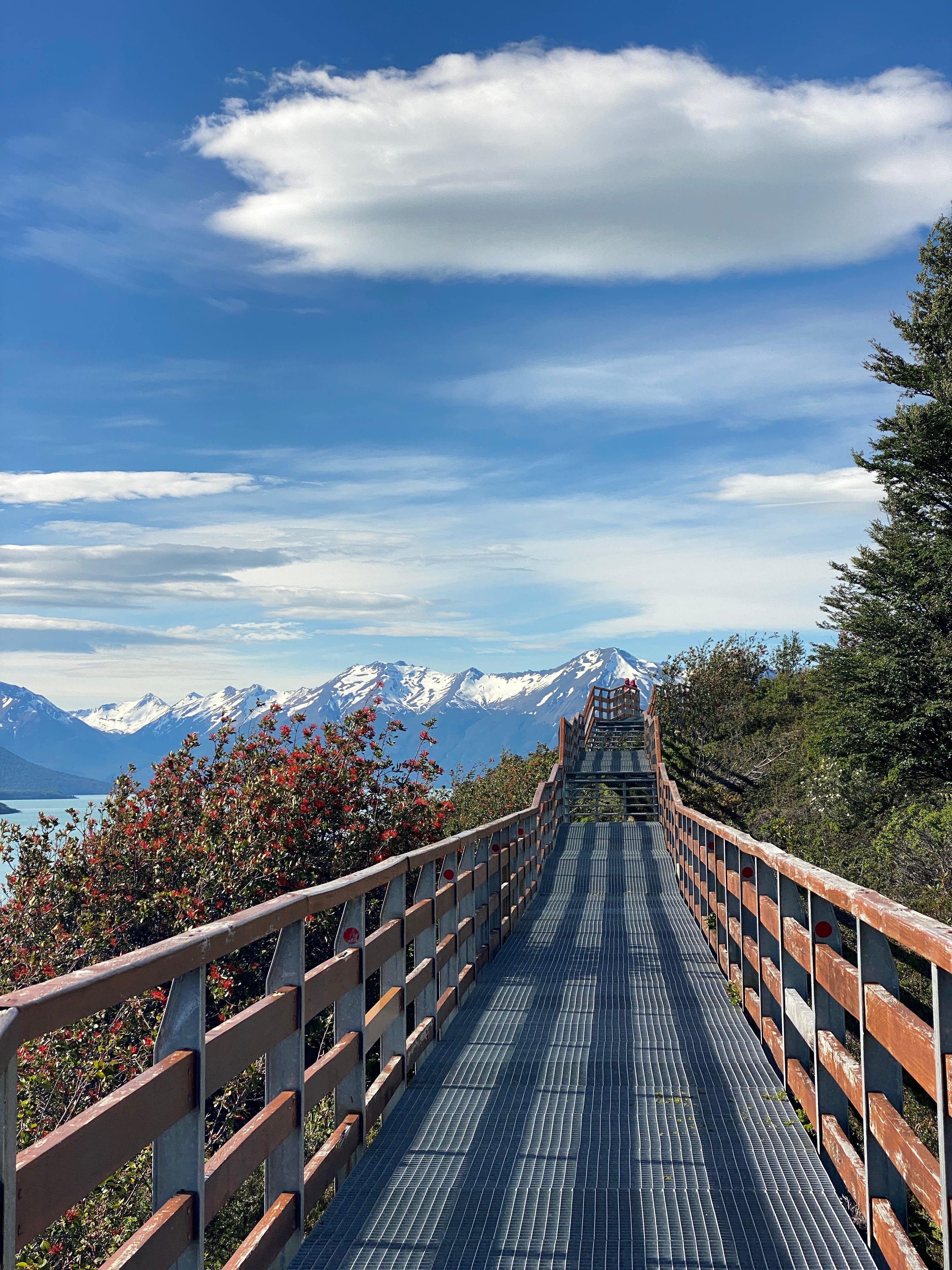
on the platform at Perito Moreno,
I watch a sheet of glacial ice crumble.
I hear the guttural thunder. A cloud,
a ripple, a new stasis. Who knew?
It’s so still in photographs. And each
morning, I climb the mountain to look
down on the village of San Martín.
I trace its edges, trace the lines
in the palms of my hands. There
will be no going back, not after
years spent in cities that never
quiver. Not after the smell
of new growth in forest rain.
Not after this seismic range.
Epilogue: after the after
Arriving home, I find a small book on my desk: Invisible Cities by Italo Calvino. It’s been sent clear across the ocean by my friends, Bea and Frey, along with a letter stating: “We hope this accompanies you wherever you go, and that it helps you to see beyond what’s plain to the eye.”
I devour the book in two sittings.
In it, Calvino imagines Marco Polo recounting to Kublai Khan all the cities he’s visited. They’re so fantastical that Khan suspects they’re invented. But Polo tells him that cities are more than physical places; they’re made of all the fears and desires a place evokes in you. He says:
“You take delight not in a city’s seven or seventy wonders, but in the answer it gives to a question of yours. Or the question it asks you, forcing you to answer…”
Thank you, Edge City, for asking the right questions, and for forcing me to answer them too.
---
This is a guest post by Emma Murf, shared here with permission. The views are Emma's own and do not necessarily reflect the views of Edge City.